Home Services

Services · Claims we handle

Property claims, explained plainly and handled carefully

We represent homeowners, business owners, and property managers on property insurance claims — from the first inspection through settlement.

Claims we handle

Help with the losses that disrupt life the most

Flood, fire, hurricane, wind, and hail are the most common — but if your property was damaged and you've filed, or plan to file, an insurance claim, we're glad to take a look.

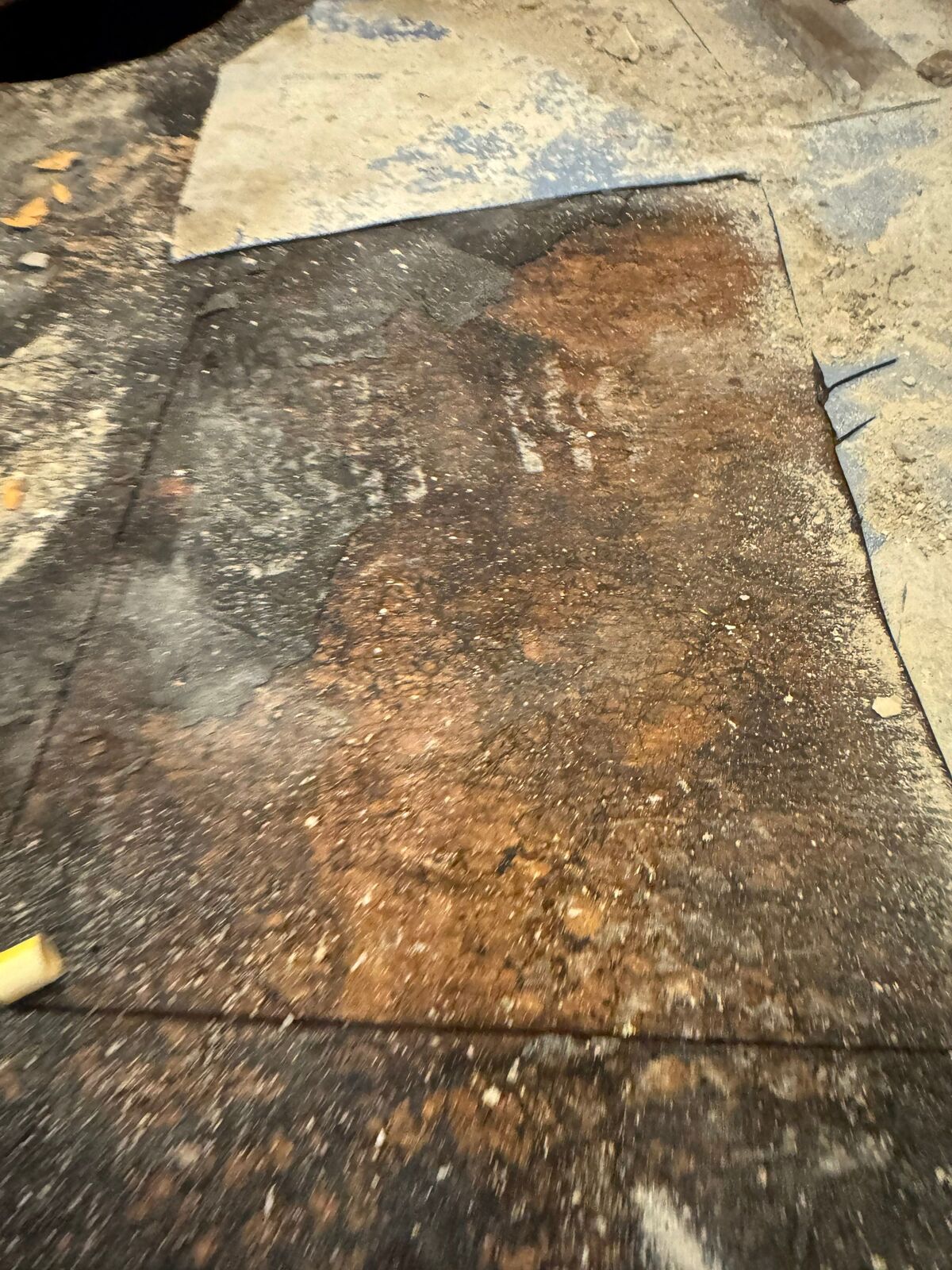
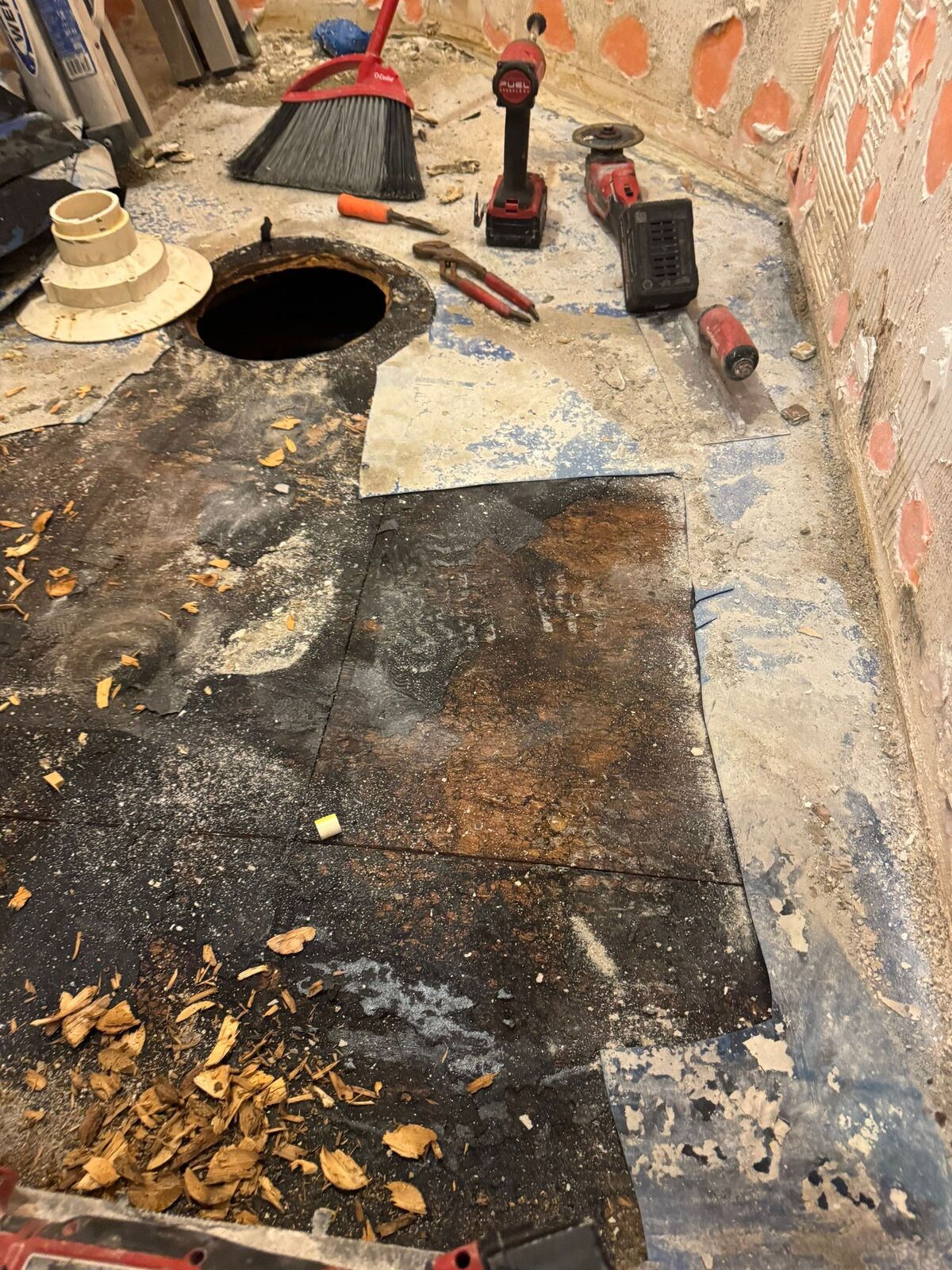
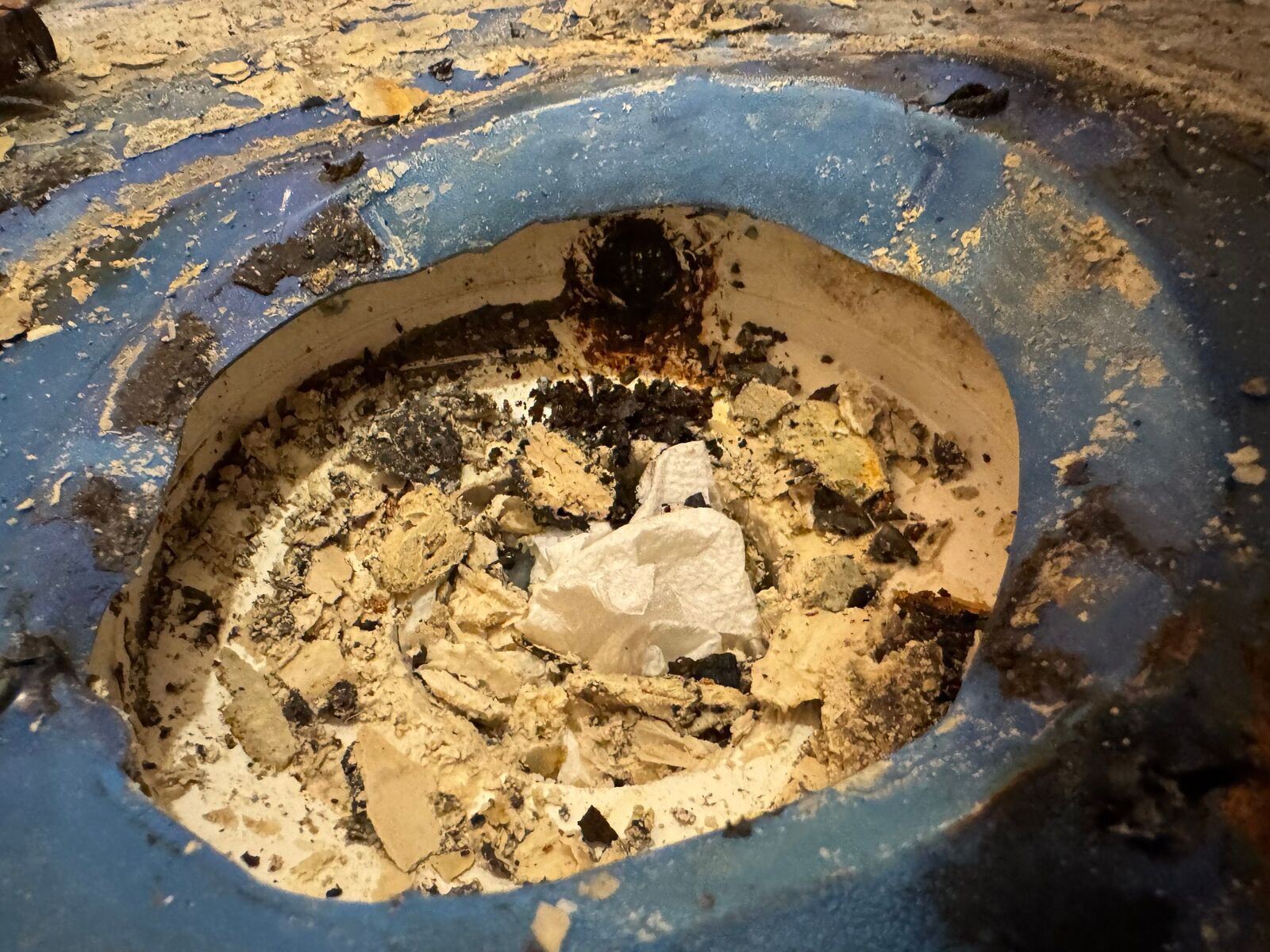
Water-stained and deteriorated wood subfloor exposed after flooring was removedBathroom subfloor damaged by a long-term leak, exposed during demolitionCorroded drain flange surrounded by water-damaged subfloor

Water damage

Flood & Water

Water damage often goes further than what you can see. Water can wick into walls, soak insulation, and rot subfloors and framing long after the surface looks dry.

Coverage depends on the source. A burst pipe or appliance leak is usually handled under a standard homeowners or commercial policy, while rising floodwater is typically covered by a separate flood policy. We help you sort out which applies and document the damage accordingly.

  • Burst pipes, plumbing and appliance leaks
  • Flood and storm-surge water
  • Hidden damage to subfloors, drywall, insulation, and framing
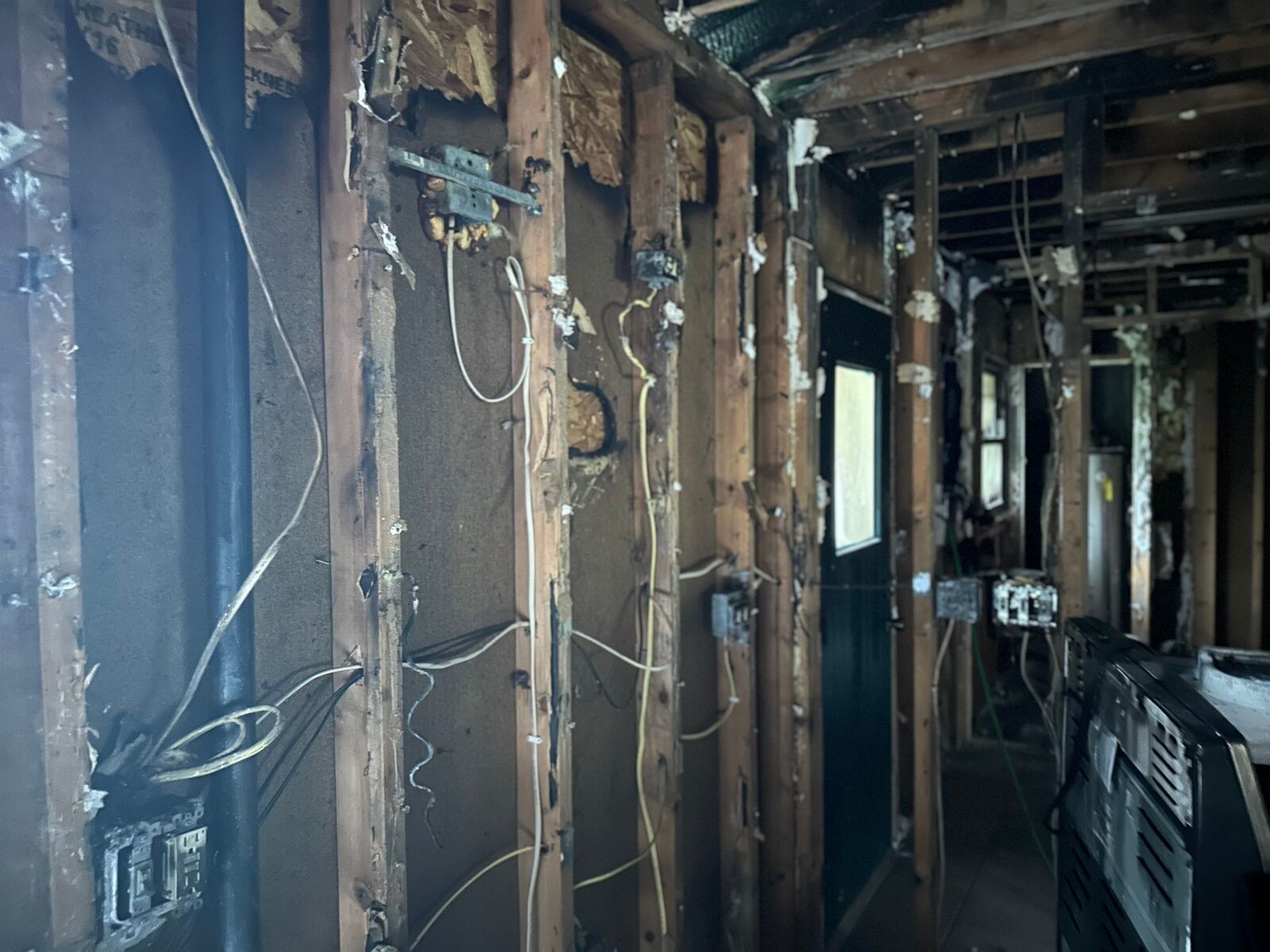
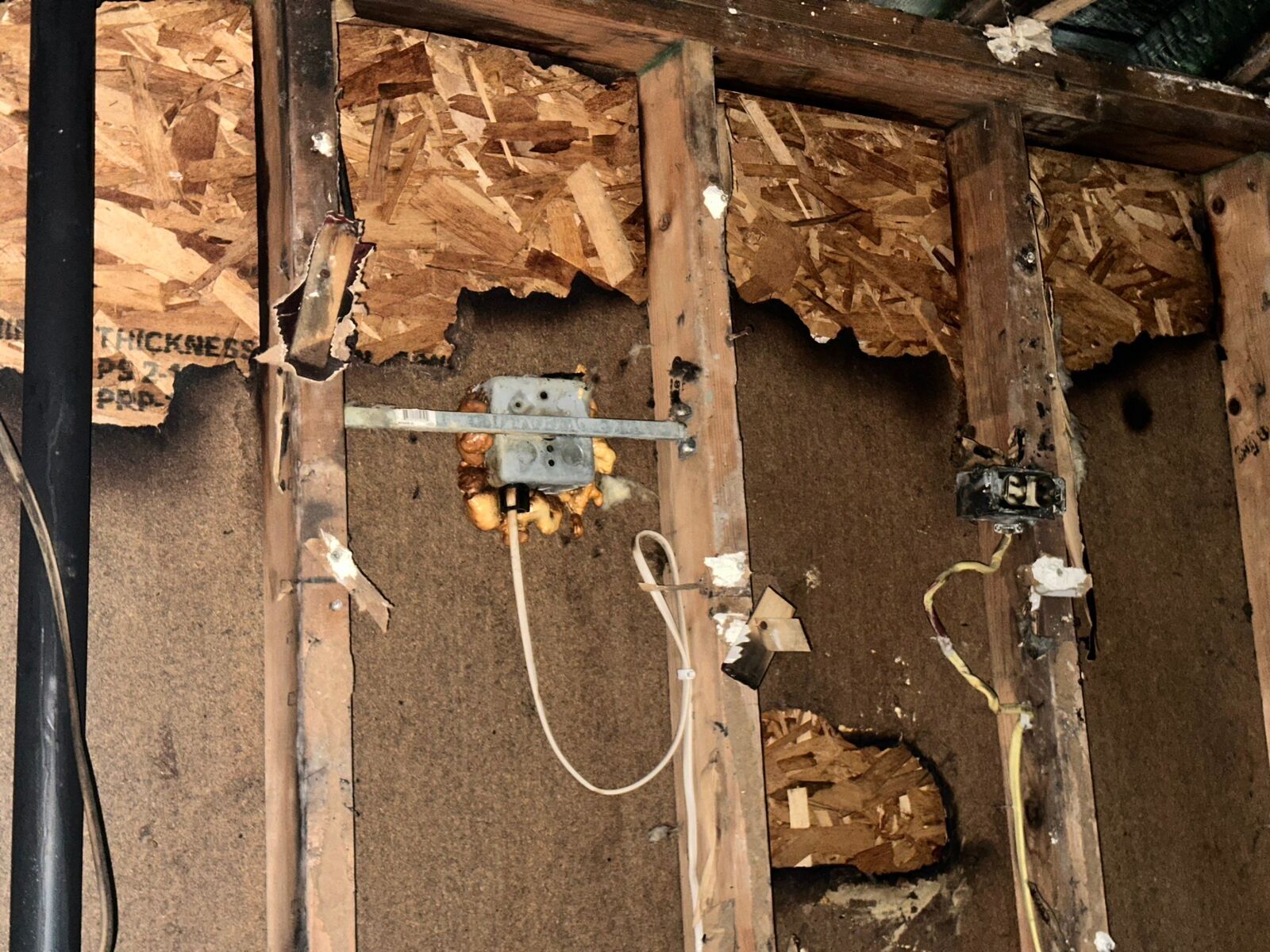
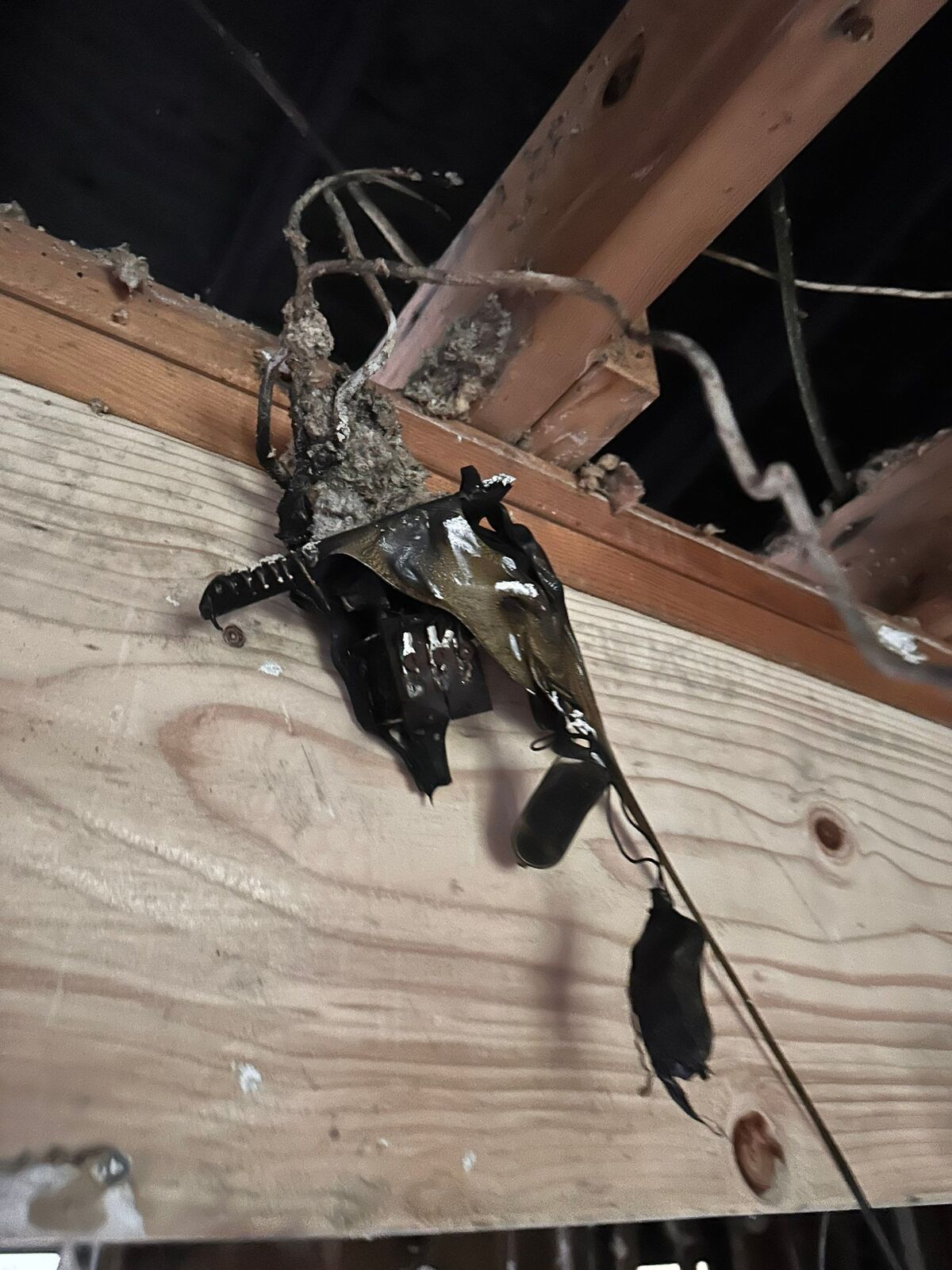
House interior stripped to the studs after a fire, showing burned framing along a hallwayCharred wall framing and sheathing around an electrical box after a fireBurned electrical wiring hanging from a scorched beam

Fire damage

Fire & Smoke

After a fire, the visible burn damage is only part of the loss. Heat can compromise framing and wiring in nearby rooms, and smoke and soot can travel through walls, ductwork, and contents.

We document structural damage, smoke and soot damage, and affected personal property, and we help you understand how your policy treats things like temporary housing — often called "additional living expenses."

  • Structural fire damage to framing, roofing, and electrical systems
  • Smoke, soot, and odor damage
  • Contents and additional living expenses
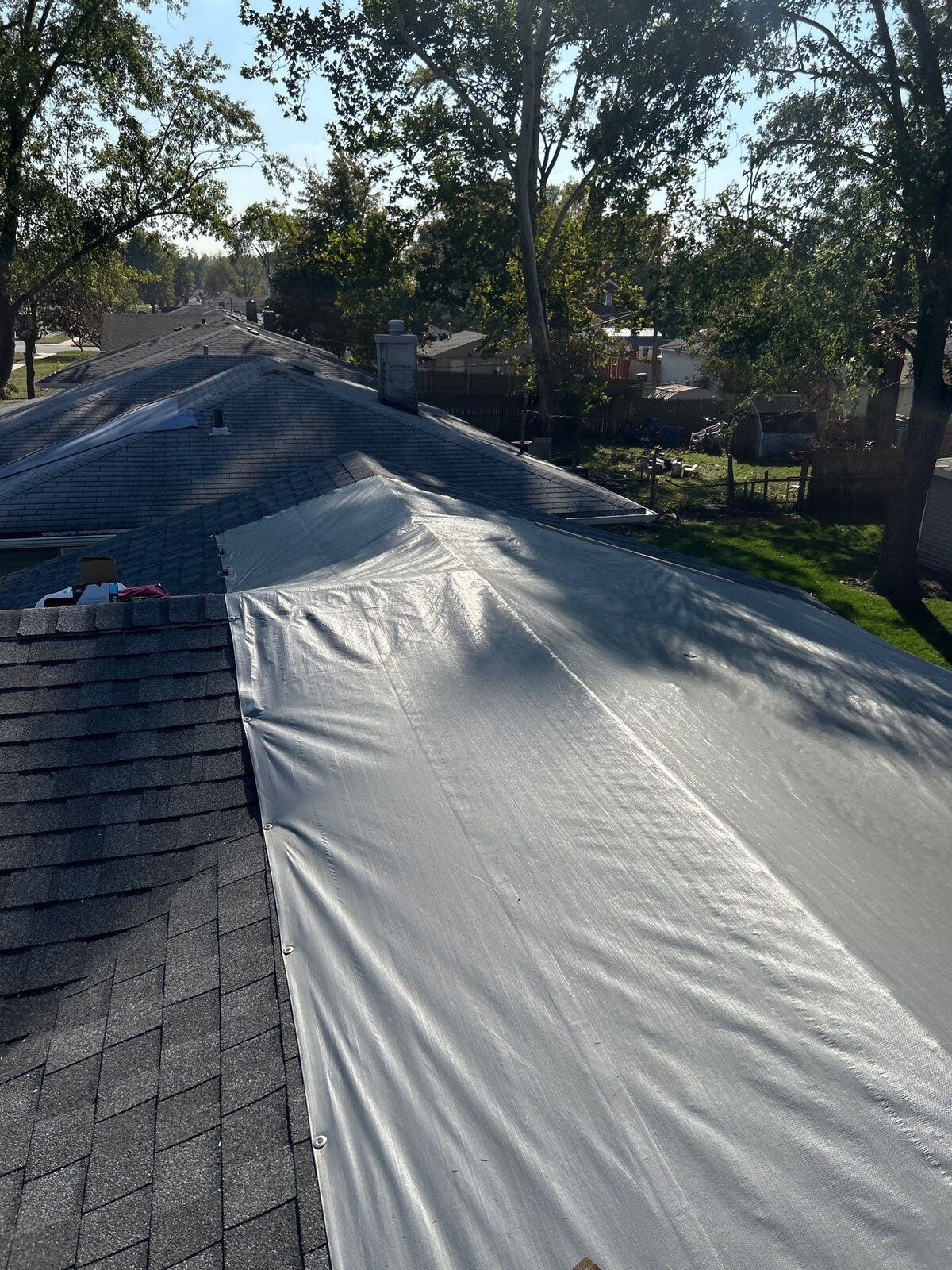
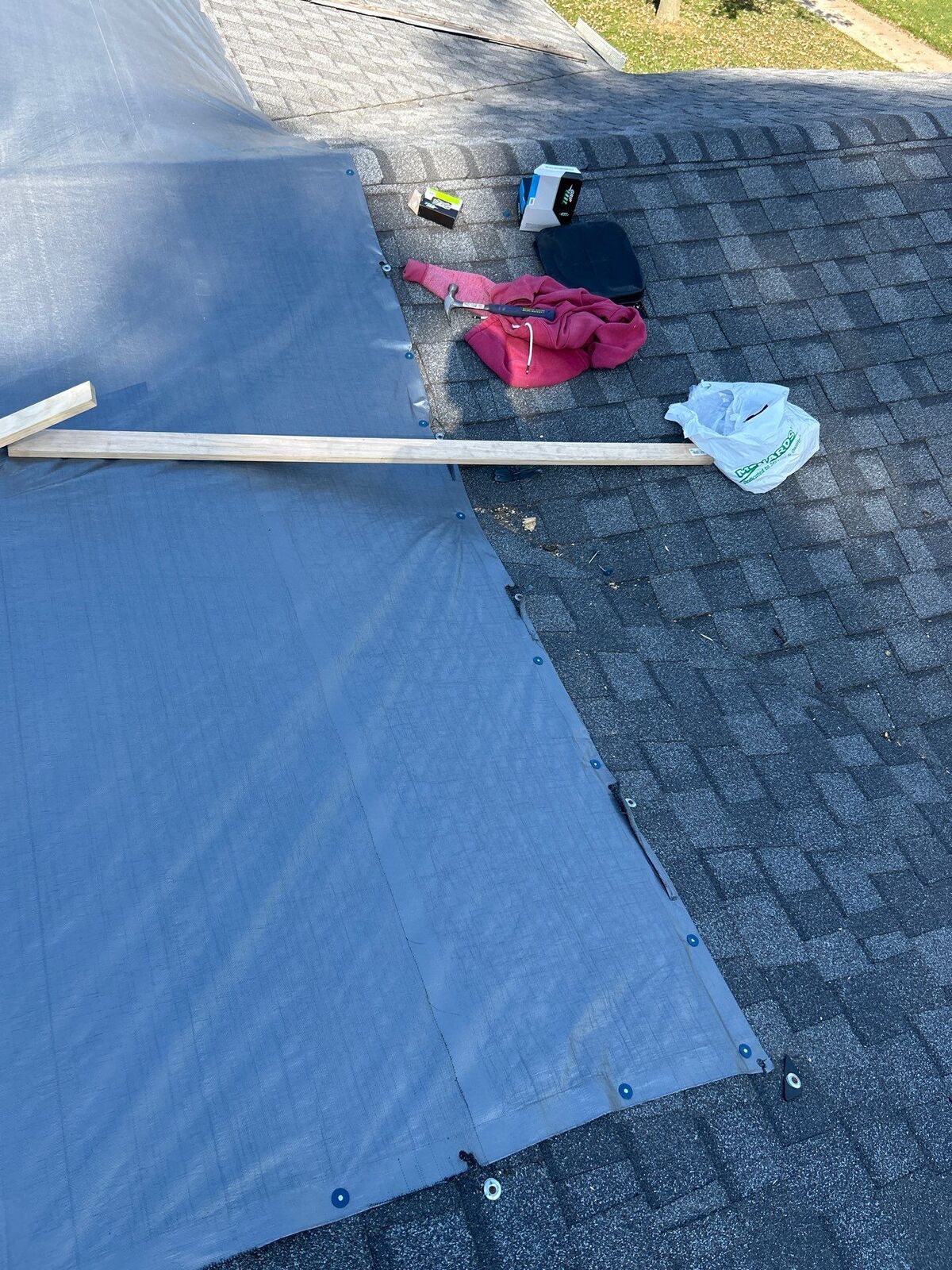
Roof covered with a protective tarp along its ridge after hurricane damageEdge of an emergency roof tarp secured with wood battens on a shingle roof

Storm damage

Hurricane

Hurricanes can bring wind, wind-driven rain, flooding, and debris all at once — and different parts of that damage may fall under different policies or deductibles.

Many policies on the Gulf Coast carry a separate hurricane or named-storm deductible, often a percentage of the home's insured value. We explain how it applies to your claim and document roof, exterior, and interior damage together so nothing falls through the gaps.

  • Roof, siding, window, and exterior damage
  • Water intrusion from wind-driven rain
  • Emergency repairs like tarping, and how to document them
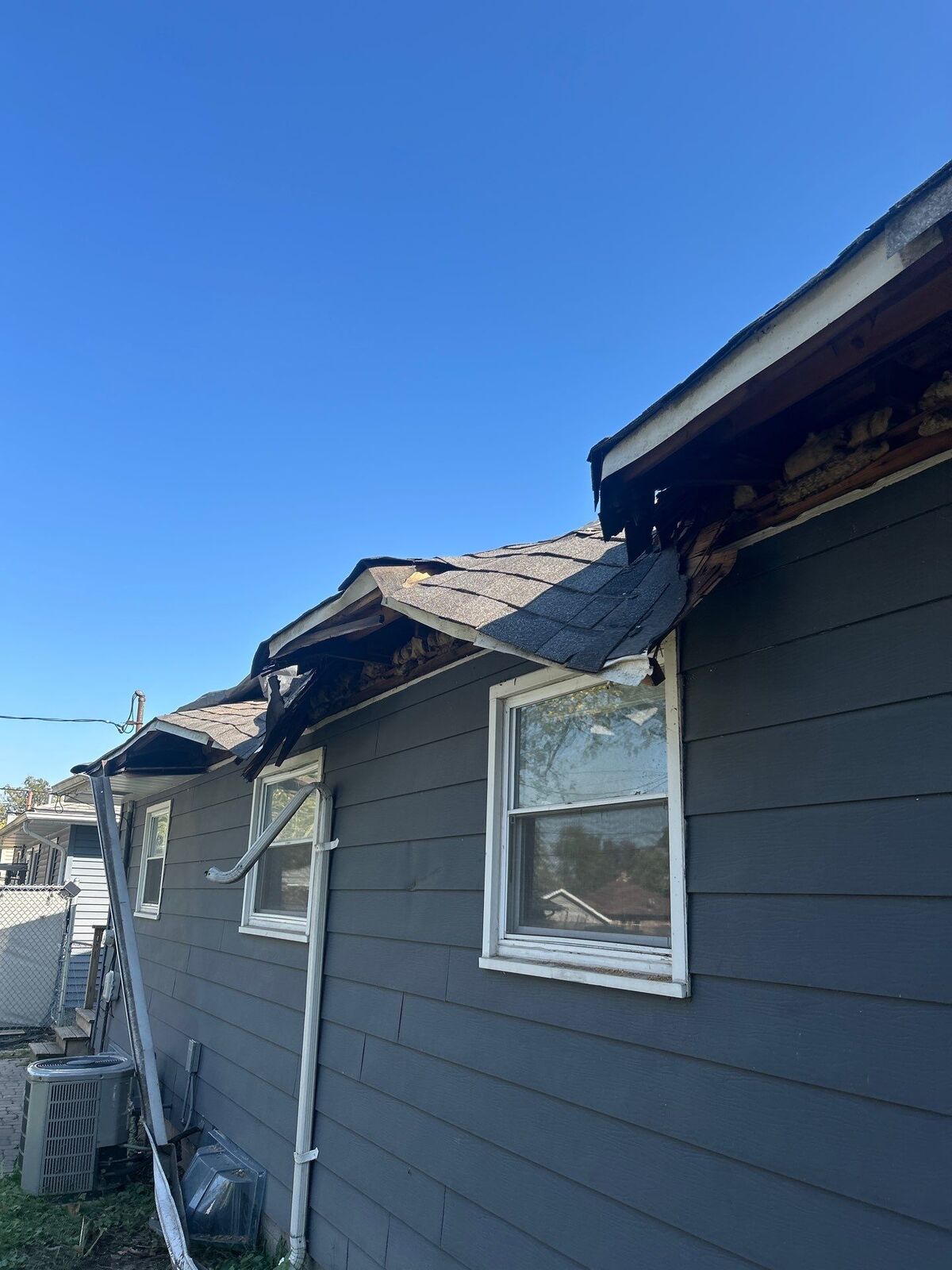
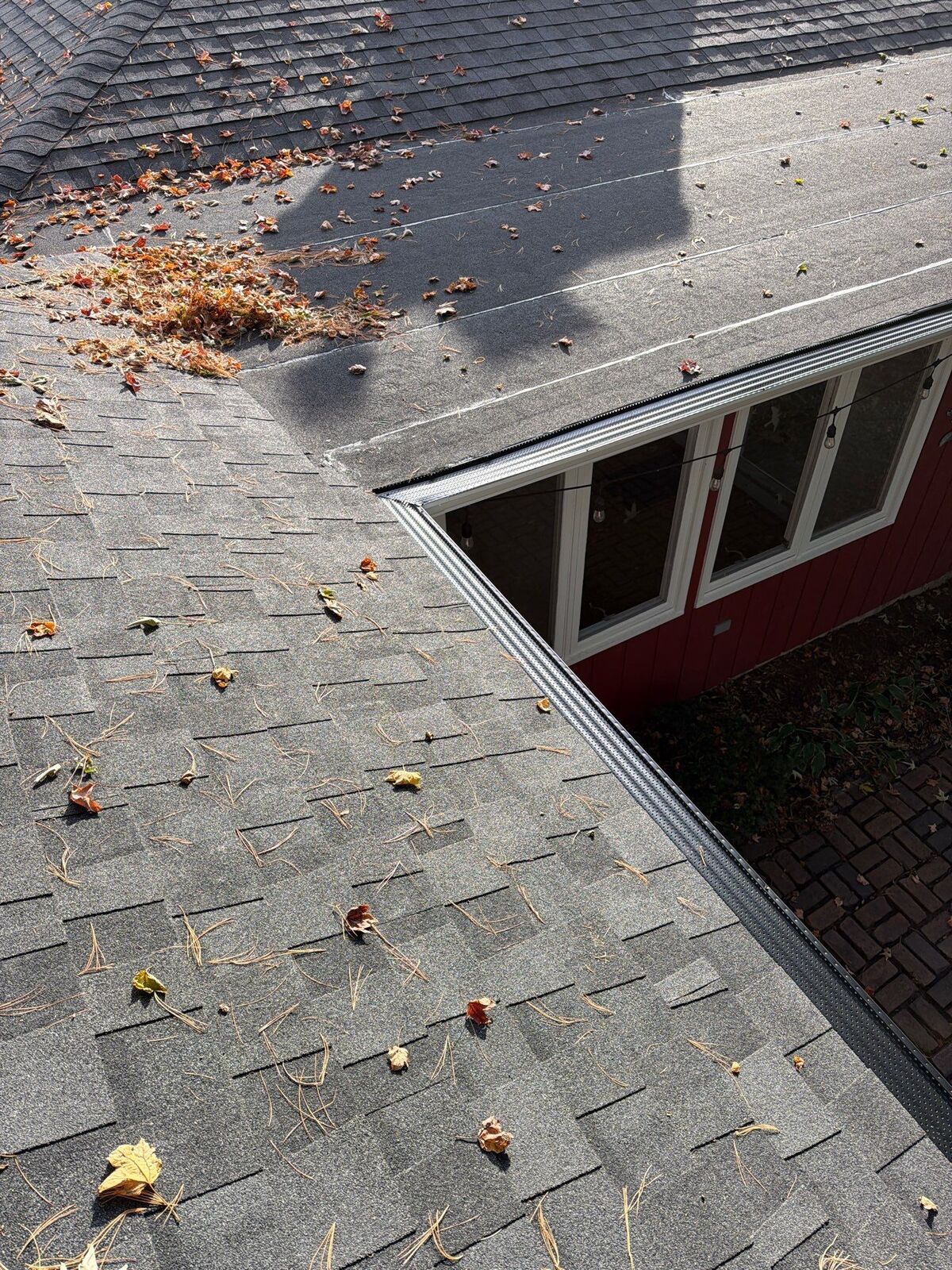
Roof edge with shingles and soffit torn away by wind above a windowRoof valley covered in wind-blown leaves and debris above a window

Wind damage

Wind & Windstorm

Strong winds don't need a hurricane to do real damage. Lifted or missing shingles, torn soffits and fascia, and damaged siding can let water in and lead to bigger problems later.

Wind damage is sometimes dismissed as "wear and tear." John's construction background helps tell the difference and explain it clearly in the claim.

  • Missing, creased, or lifted shingles
  • Torn soffit, fascia, gutters, and siding
  • Fallen trees and wind-blown debris
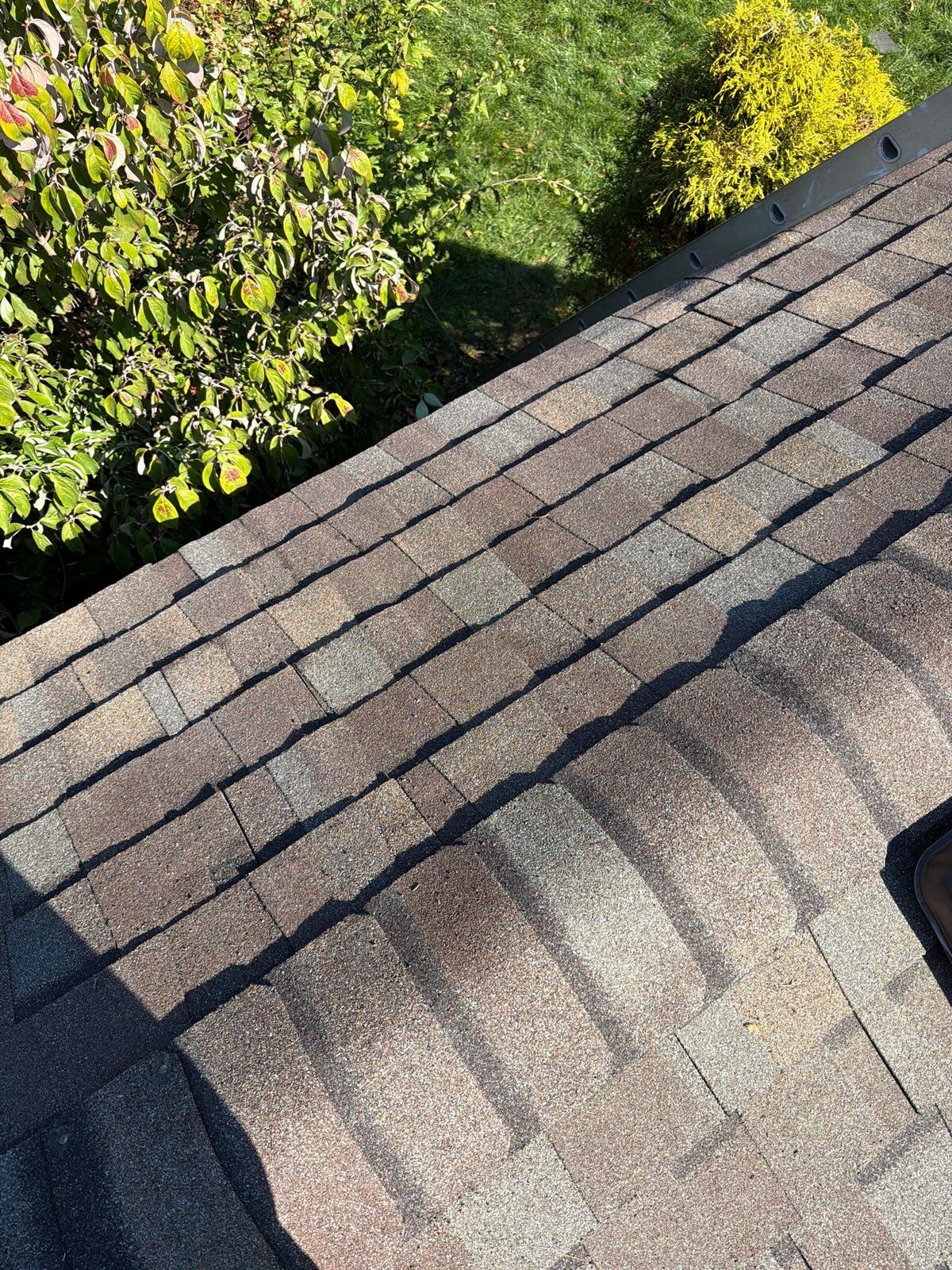
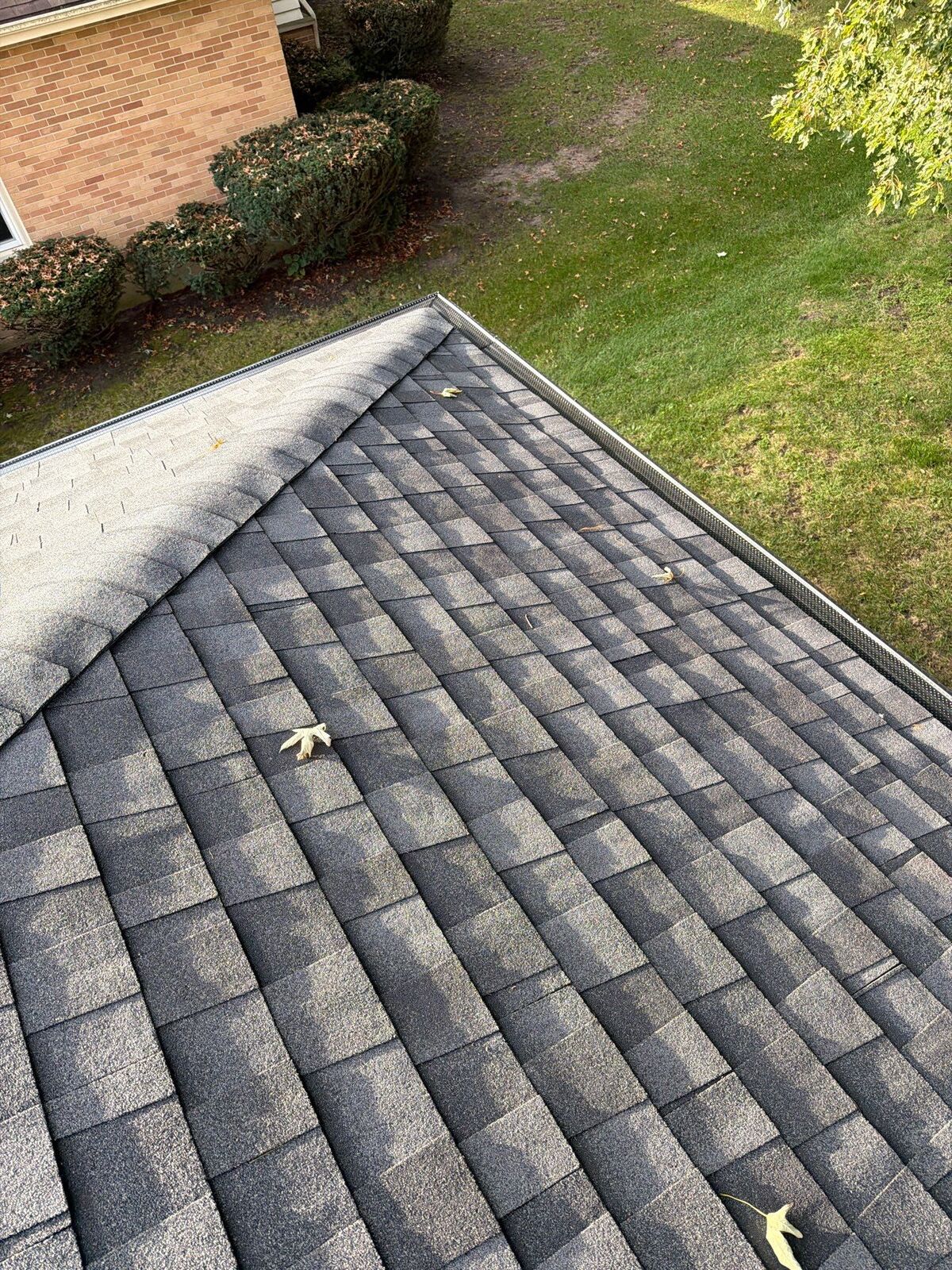
Close-up of asphalt roof shingles inspected for hail damageShingled roof hip inspected for storm and hail damage

Roof damage

Hail

Hail damage can be hard to spot from the ground. Bruised or cracked shingles and granule loss may not leak right away, but they can shorten a roof's life.

Many policies set time limits for reporting hail damage, so it helps to have the roof inspected soon after a storm. We inspect, photograph, and document the damage so the claim reflects what is actually on the roof.

  • Bruised, cracked, or dented shingles
  • Granule loss and damaged roof vents or flashing
  • Gutters, siding, windows, and other exterior surfaces
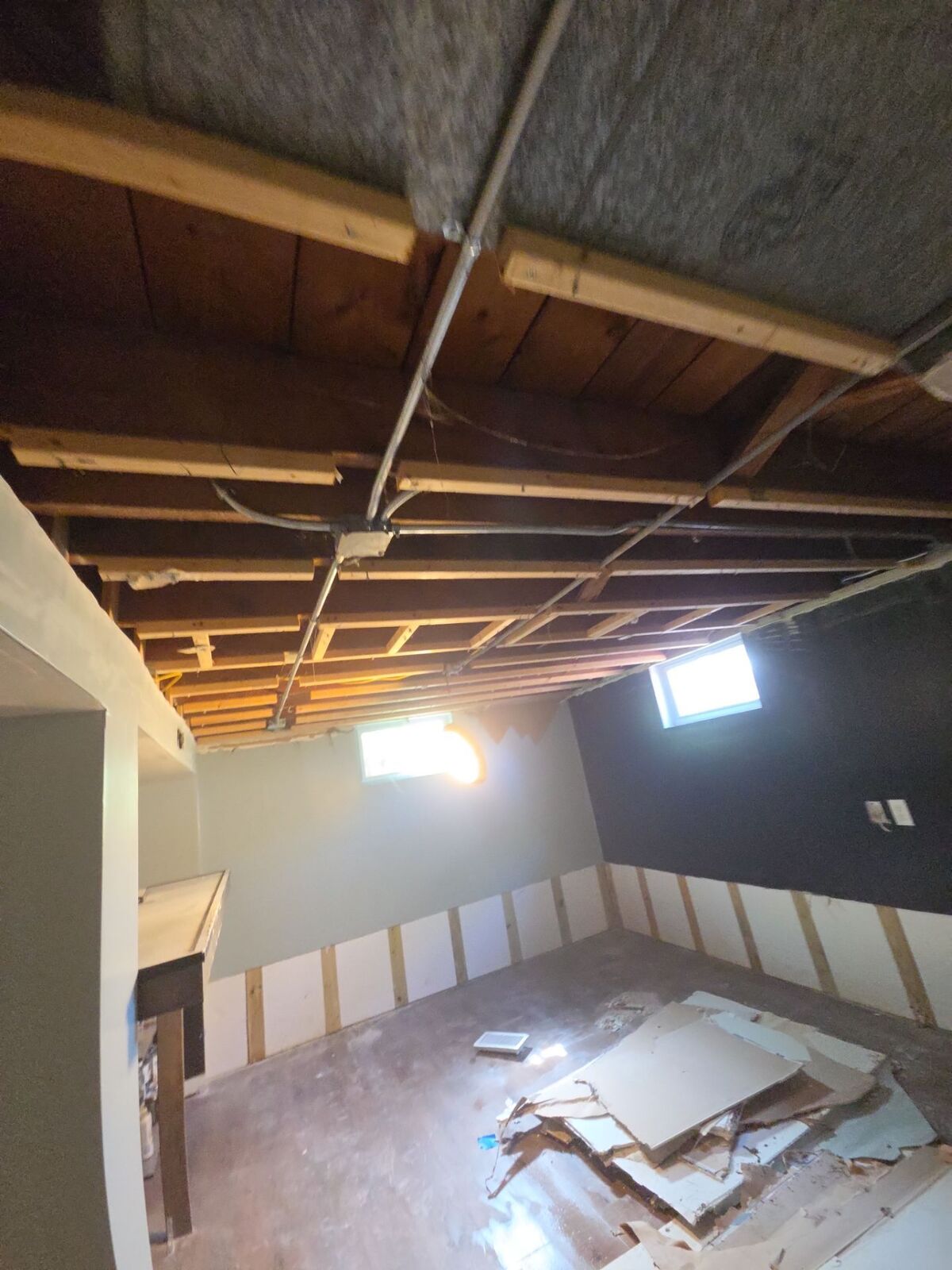
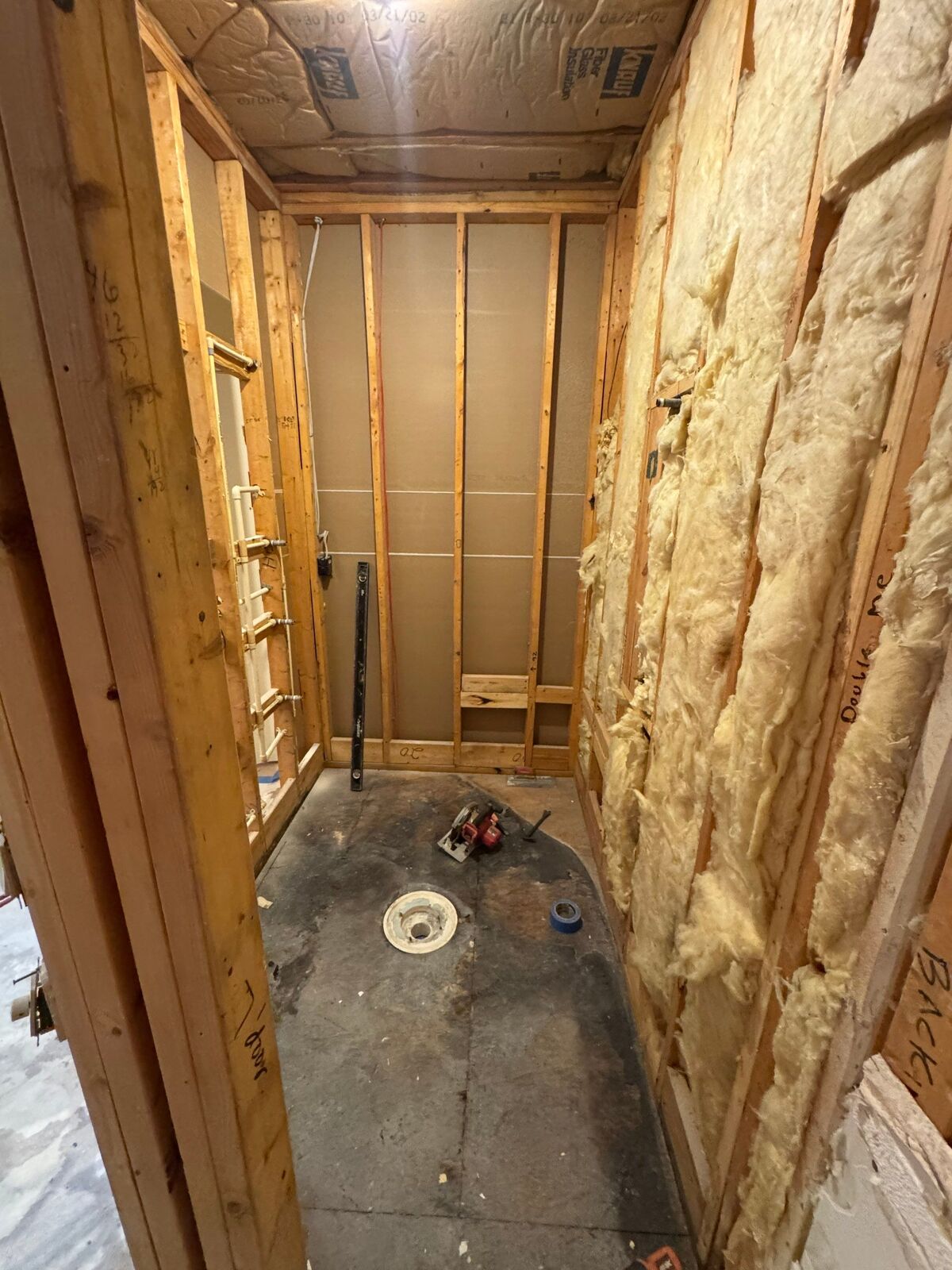
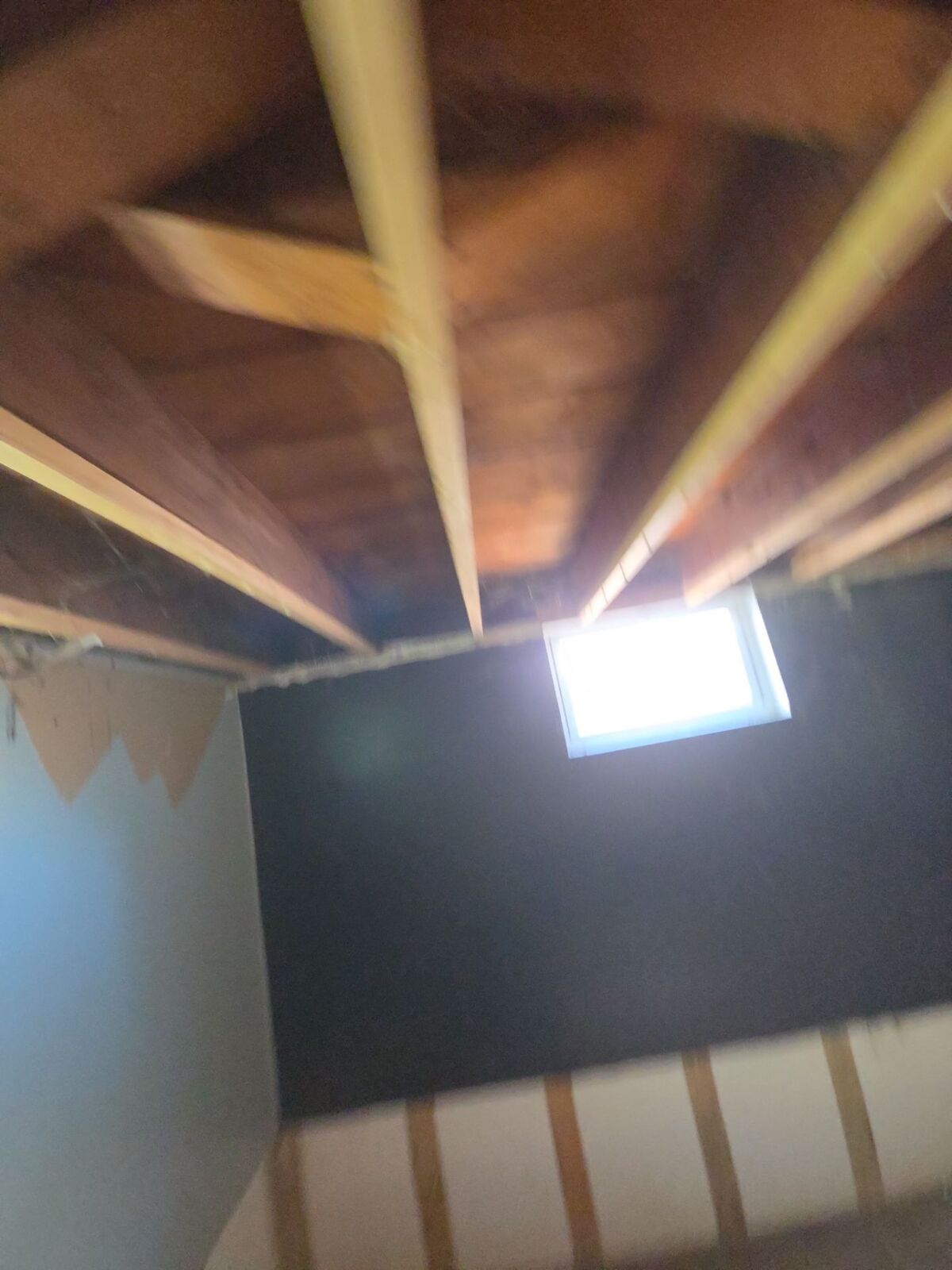
Basement with the ceiling and lower walls removed during demolition after a lossRoom stripped to the wall studs and insulation during repairsExposed ceiling joists after damaged drywall was removed

Interior damage

Other Property Damage

Not every loss fits neatly into a category. Collapsed ceilings, structural damage, vandalism, and other sudden events can all lead to an insurance claim.

Flood, fire, hurricane, wind, and hail are the most common — but if your property was damaged and you've filed, or plan to file, an insurance claim, we're glad to take a look.

  • Ceiling and structural damage
  • Interior losses that need demolition and rebuilding
  • Residential, commercial, and managed multi-unit properties
HomeownersResidential property claims
Business OwnersCommercial property claims
Property ManagersMulti-unit & managed properties

All photos are from real Ripple client projects.

Understanding your options

What does a public adjuster do?

A public adjuster is a licensed professional who represents policyholders — not insurance companies — in property insurance claims.

When you file a claim, your insurance company assigns its own adjuster to evaluate it. That adjuster works for the insurer. A public adjuster is someone you hire to look out for your side: to read your policy, measure and document the damage, put together the claim, and handle the conversations with your insurer.

You don't have to hire a public adjuster to file a claim. Many people reach out when a claim feels too big or complicated to manage alone, when they're unsure an offer reflects all of the damage, or when a claim has been delayed or denied.

Insurance company adjuster

  • Employed or contracted by the insurer
  • Evaluates the claim on the insurer's behalf
  • Often managing many claims at once

Public adjuster (Ripple)

  • Works only for you, the policyholder
  • Documents the full extent of your loss
  • Explains your policy and negotiates for you
  1. 1. Review your policy

    We read your coverage with you and explain what applies to your loss — in plain language.

  2. 2. Inspect & document

    We inspect the property, photograph and measure the damage, and record it room by room.

  3. 3. Estimate the repairs

    Using decades of construction experience, we prepare a detailed estimate of what a proper repair involves.

  4. 4. Prepare the claim

    We assemble the paperwork your insurer requires, including supporting documents and deadlines.

  5. 5. Communicate & negotiate

    We handle the back-and-forth with your insurer and its adjuster, and keep you informed along the way.

  6. 6. Help you move forward

    We walk you through the settlement and what comes next, so you can focus on repairs and recovery.

Insurance terms, in plain English

A few words you'll hear during a claim

Policies use a lot of jargon. Here's what some of the common terms generally mean — your own policy's wording is what counts, and we're happy to walk through it with you.

Deductible
The part of the loss you pay before insurance pays. Some coastal policies have a separate hurricane or named-storm deductible, often a percentage of the insured value.
Scope of loss
A detailed list of everything that was damaged and what it will take to repair or replace it.
Replacement cost vs. actual cash value
Replacement cost is what it costs to repair or replace with similar materials today. Actual cash value is that amount minus depreciation (wear and age).
Proof of loss
A formal, signed statement of what you're claiming. Insurers often require it within a set time frame.
Supplement
A request for additional payment when more damage is found after the original estimate — common once walls or floors are opened up.
Additional living expenses
Coverage that may help with extra costs, like temporary housing, if your home isn't livable during repairs.

Not sure if your loss is covered?

Send us a few details or give us a call. We'll look at your situation and explain your options — free and without obligation.

Call Now Free Claim Review